
Railroad museum exhibits historic steel rails in Simi Valley, California |
Learn more about the transcontinental railroad and its impact |
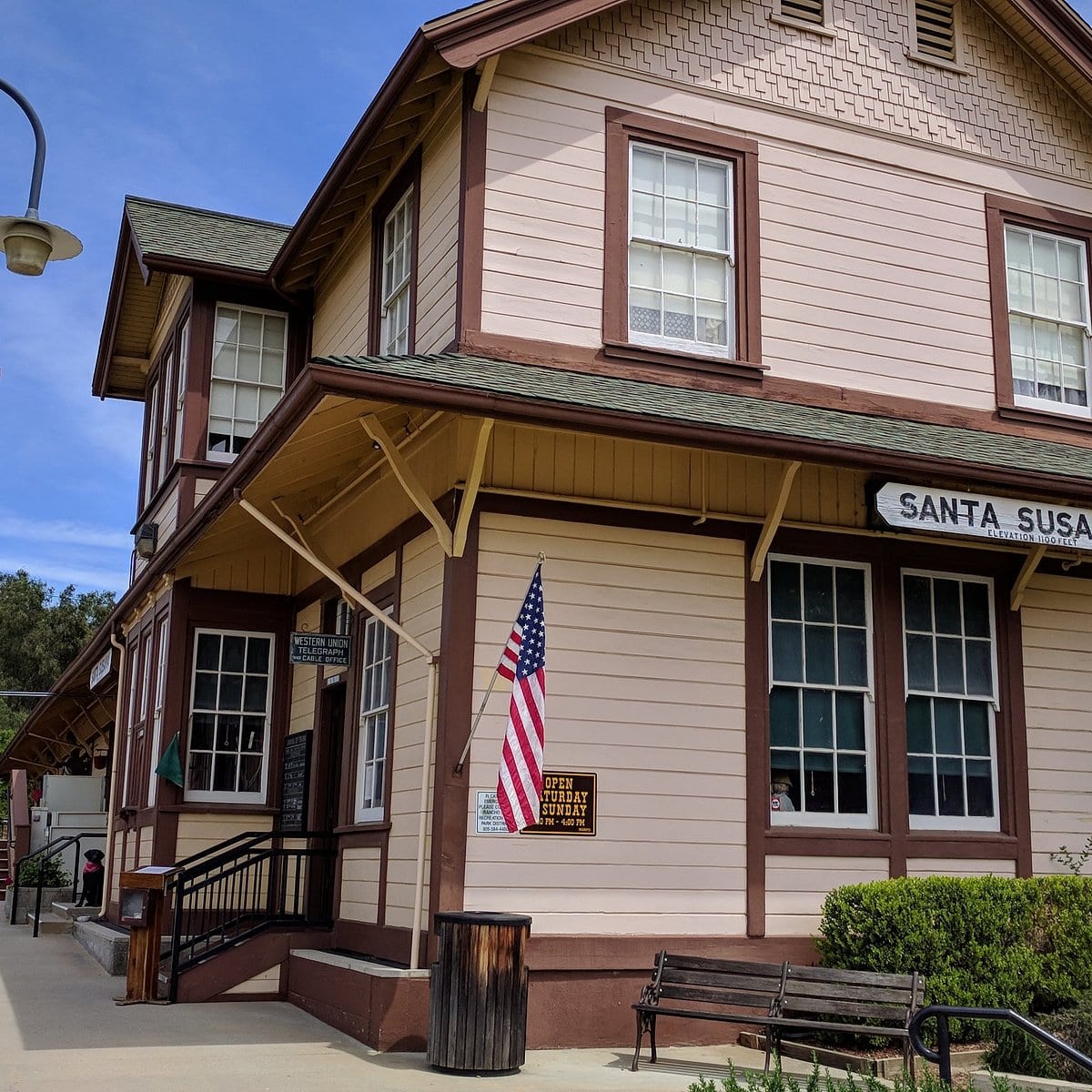
A railroad museum in Simi Valley has unveiled a fresh exhibit that’s turning heads among history buffs and rail enthusiasts alike.
The centerpiece of the display is a set of authentic historic steel rails, salvaged from the golden era of American rail expansion.
These remarkable artifacts now invite visitors to step closer to the story of the transcontinental railroad, a project that once redefined California and the greater American West.
Each of the eight rails, meticulously preserved, contains markings from a range of 19th-century steel manufacturers who powered a transportation revolution.
Locals say seeing the manufacturers’ names—hot-rolled into steel more than 150 years ago—brings a sense of awe and connection to the country’s industrial roots.
This new exhibit marks a bold step for the museum, which has been a gathering place for Simi Valley’s railroad fans for years.
According to staff, the collection was assembled with passion and patience by longtime resident Richard Parshall, who donated his rare finds to ensure their preservation.
Parshall, a fixture in the community since the 1950s, saw the rails as more than scrap metal—they’re witnesses to a turning point in U.S. history.
As Simi Valley continues to attract new residents and businesses, especially near the Katherine Street corridor, the museum’s latest offering brings a valuable sense of heritage amid the city’s rapid growth.
Museum volunteers emphasize that learning about the transcontinental railroad is not just a lesson in engineering, but a chance to reflect on the sweeping changes it triggered in commerce, migration, and daily life.
Admission remains generous—visitors are welcomed free of charge on weekends, though donations help keep these chapters of history accessible to all.
For families exploring Simi Valley this summer, these steel rails are more than relics—they’re a portal to the past and a reminder of the region’s critical place in America’s rail legacy. |
0 Comments
Join the conversation
Be the first to comment
Share your thoughts above.