
Simi Valley Skywatch: Orionid Meteors and the Hunter’s Moon, October 21–27 |
Halley’s Comet debris lights up the sky this week, but bright moonlight means a little planning—and patience—will help. |
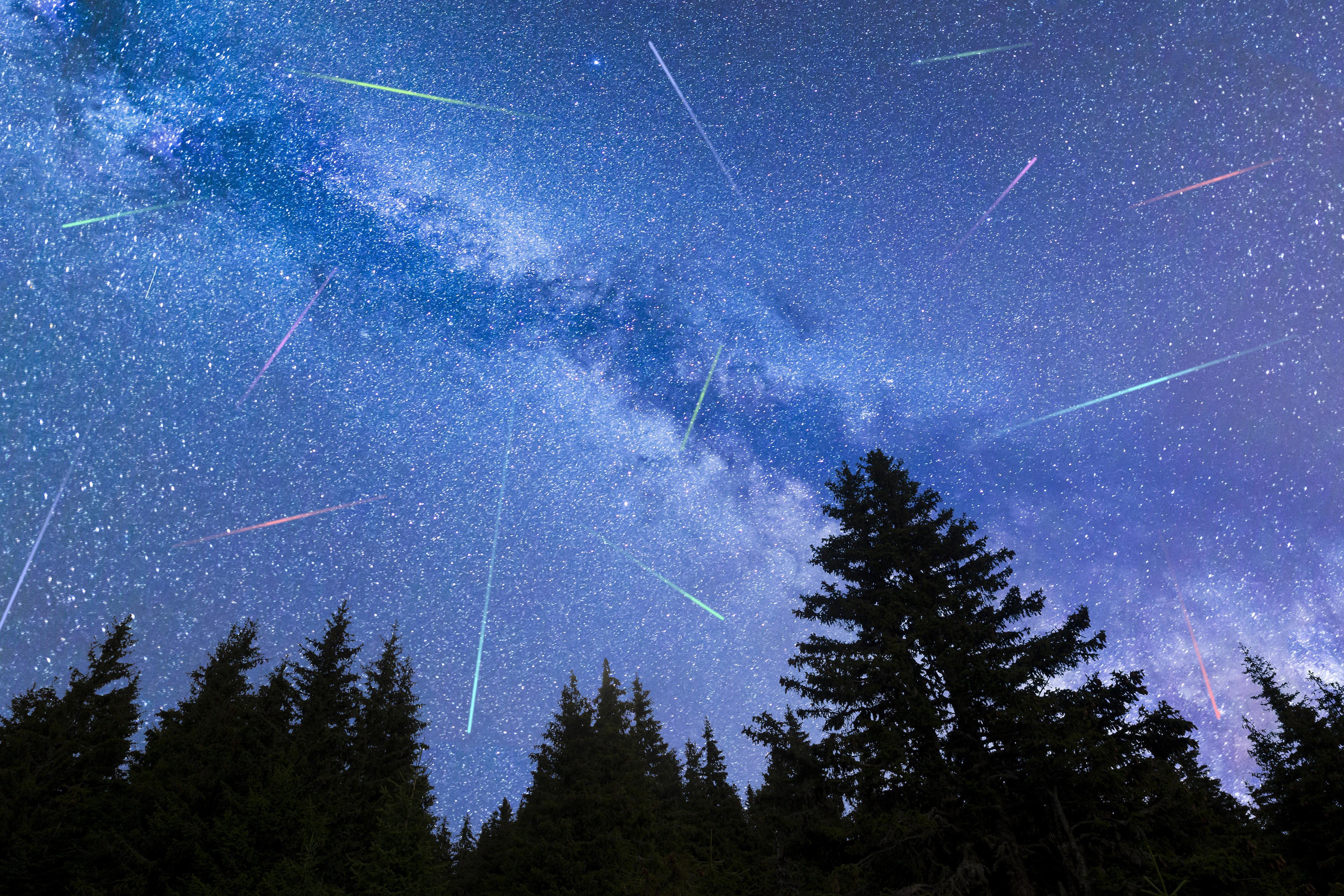
Simi Valley skywatchers have a chance to catch shooting stars this week as the Orionid meteor shower reaches its annual peak overnight Wednesday, October 21, into Thursday, October 22. The shower is linked to a famous visitor: Halley’s Comet.
Tiny bits of dust left along the comet's orbit meet Earth's atmosphere at tremendous speed and appear as glowing streaks as they burn up. The Orionids appear to radiate from near the constellation Orion, but meteors can be seen across the sky.
When should Simi Valley watch?
The best opportunity is early Thursday, October 22. The Moon sets in Simi Valley at approximately 3:24 a.m., making 3:30–5:30 a.m. a useful suggested window before dawn. A clear, unobstructed sky is essential, and you do not need a telescope.
This year the Moon is waxing gibbous and unusually bright during the showers peak. NASA says the Orionids can produce 10–20 meteors per hour under ideal dark skies, but its October 2026 guidance estimates that suburban observers may see only around 3–6 per hour. Seeing fewer, or none, is entirely possible under haze, clouds, or city lights.
How to make the most of the meteor shower
Find a safe, legally accessible spot away from porch lights, streetlights and busy roads. Give your eyes at least 20 minutes to adjust to the dark, put the phone away, and look across a broad stretch of sky rather than staring at one star or constellation. Bring a reclining chair or blanket, a warm layer, and some patience.
You can watch from your own yard if you have a fairly open sky, although darker areas generally offer better views. If children want to participate, an evening astronomy session with the Moon or Saturn may be more practical than a pre-dawn wake-up.
More to see this week
Saturn remains an appealing evening target, especially with a small telescope. The waxing gibbous Moon is also easy to spot, although its bright light makes faint meteors harder to see.
Then look ahead to the Hunter's Moon: October's full Moon arrives Sunday, October 25, at approximately 9:11 p.m. Pacific time. It will appear nearly full on the surrounding evenings, offering an easy skywatching moment even for families who prefer an earlier bedtime.
A simple reminder
Meteor shower counts are estimates, not a promise. Check local cloud condition on the night, dress for the temperature, and enjoy a few quiet minutes under the sky, even if the meteors are scarce.
Sources: NASA Orionids Meteor Shower — https://science.nasa.gov/solar-system/meteors-meteorites/orionids/
NASA October 2026 Skywatch Guide — https://science.nasa.gov/solar-system/skywatching/whats-up-october-2026-skywatching-tips-from-nasa/
NASA October 2026 meteor viewing guidance — https://www.nasa.gov/blogs/watch-the-skies/2026/10/05/disappearing-planets-dragon-fireballs-hunters-moon-fill-octobers-spooky-skies/
Simi Valley Moonrise/Moonset — https://www.timeanddate.com/moon/usa/simi-valley?month=10
October Moon Phases — https://www.timeanddate.com/moon/phases/%405380273
|
0 Comments
Join the conversation
Be the first to comment
Share your thoughts above.